
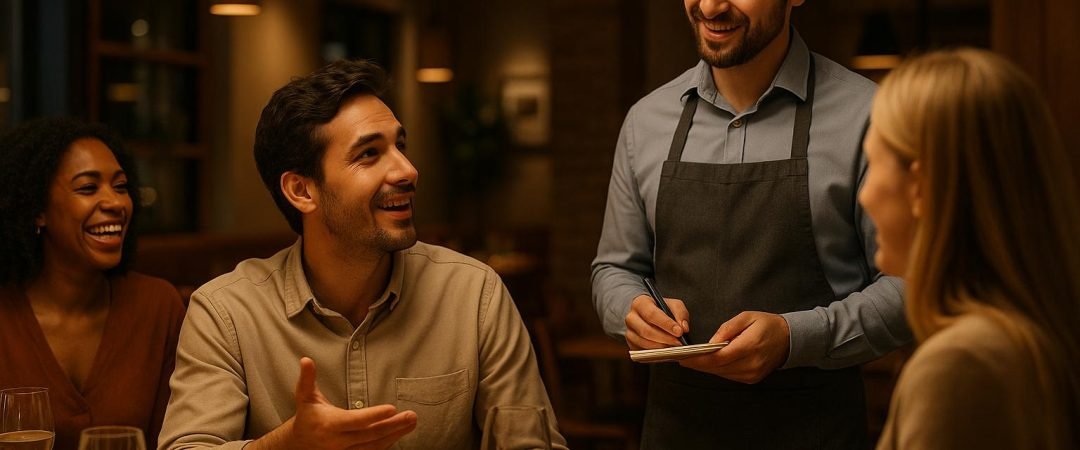
Negotiating Discounts: Timing Matters
-
- November 19, 2025
- Uncategorized
- 12 mins read

Want better group dining discounts? Timing is your secret weapon. Restaurants are more likely to negotiate during off-peak hours and slower seasons when they need to fill empty tables. Here’s what you need to know:
- Off-Peak Advantage: Weekday lunches or early dinners (Monday–Thursday) are prime times for deals. Restaurants are quieter and more flexible.
- Seasonal Trends: Post-holiday months like January or February often bring better discounts, while busy seasons (holidays, graduations) make negotiations tougher.
- Group Size Matters: Larger groups during slow periods are more appealing to restaurants, especially with family-style dining options.
- Data-Driven Proposals: Use tools like GroupMenus to identify slow times and craft offers that benefit both you and the restaurant.
Key takeaway: The best time to negotiate is when the restaurant needs your business most. Target off-peak periods and back your request with data to maximize savings.
Restaurant Owners: Do THIS to Increase Sales on Slow Days
Research Findings: How Timing Affects Discount Success
Research highlights that carefully timing your approach during low-demand periods can greatly improve your chances of securing group dining discounts. Let’s dive into the best days, seasonal trends, and how factors like group size and dining style can influence your success.
Best Times of Day and Days of the Week
Weekday afternoons and early evenings are prime times to negotiate group dining discounts. These are slower periods for most restaurants, offering more flexibility for event planners. Mondays through Thursdays, in particular, tend to have lower foot traffic, giving you an edge in negotiations. Many restaurants even run early-bird or late-night promotions during these off-peak hours. In fact, research shows that restaurants with clear pricing strategies can boost profits by as much as 25% by focusing on off-peak bookings.
Seasonal Patterns and Demand Changes
Seasonal trends also play a big role in discount opportunities. For example, January and February – months when many restaurants experience post-holiday slowdowns – are excellent times for securing group deals. Similarly, indoor dining venues may offer perks during the summer when outdoor activities draw customers away. On the flip side, high-demand periods like major holidays, graduation seasons, or local festivals make discounts harder to come by, as restaurants are more likely to fill their tables at full price. Being flexible with your scheduling can help you take advantage of these quieter windows.
Group Size and Dining Style Effects
Timing isn’t the only factor; group size and dining style matter too. Larger groups have more negotiating power, especially during off-peak times. A big reservation during a slow period is far more appealing to a restaurant than one during peak hours. Additionally, opting for family-style dining can sweeten the deal. This setup streamlines service, reduces plating costs, and allows for quicker table turnover, which is a win-win for both parties. Studies also show that customers are more inclined to respond positively to discounts compared to premium pricing. By combining smart timing, a sizable group, and flexible dining arrangements, you can set yourself up for significant savings.
How to Get Discounts During Off-Peak Times
Finding Off-Peak Opportunities
Scoring better group dining discounts starts with pinpointing genuine off-peak times when restaurants struggle to fill tables. Platforms like reservation apps can reveal consistent low-occupancy periods. In the U.S., many restaurants experience slower traffic during early afternoons (2:00–4:00 p.m.) and late evenings (after 8:00 p.m.) on weekdays.
You can also look at local event calendars and seasonal trends to uncover less obvious slow periods. For instance, January and February are often quieter as restaurants recover from the holiday rush, while summer months may see fewer indoor diners as people opt for outdoor activities.
A tool like GroupMenus can be incredibly useful here. It provides real-time data on restaurant capacity and availability, allowing you to filter for venues with open tables during specific off-peak hours. You can also explore private dining options. This targeted approach not only saves time but also increases your chances of finding restaurants eager for group business during slower times.
Keep an eye on multiple restaurants in your area to spot broader patterns. For example, if several places show availability on Tuesday afternoons, you’ve identified a solid opportunity. Document these trends to strengthen your case when requesting discounts. By using this data, you can craft proposals that are both informed and persuasive.
Making Data-Based Proposals to Restaurants
Once you’ve identified off-peak windows, use this information to create compelling, data-driven discount requests. For example, if you notice that Tuesday afternoons consistently have lower bookings, mention this in your proposal. This not only shows you’ve done your homework but also positions your group as a solution to the restaurant’s challenges.
Frame your request as a win-win situation rather than a one-sided appeal. Share details like your group size, estimated spending per person, and the potential for repeat visits. For instance, propose a corporate lunch for 25 people at 2:30 p.m. on a Wednesday with a $750 minimum spend. Highlight how this fills otherwise empty tables during a typically quiet time.
Research shows that well-structured off-peak group deals often catch the attention of restaurant managers. Use this to reassure them that offering discounts during slow periods can boost revenue without undercutting peak-hour prices.
You can also reference successful examples where similar deals led to increased sales and positive reviews. This helps position off-peak group discounts as smart business opportunities rather than mere concessions.
Finally, reach out directly to restaurants using booking emails available through GroupMenus. A personalized approach, backed by solid data, can significantly improve your chances of negotiating a better deal compared to sending generic discount requests.
sbb-itb-5436e91
Peak vs. Off-Peak Negotiation Results
When it comes to securing group dining discounts, timing is everything. Whether you’re aiming for a peak or off-peak period can significantly shape your negotiation outcomes. By understanding these differences, you can fine-tune your approach and set realistic goals for your discussions.
During peak times – think Friday and Saturday evenings – restaurants are typically packed. With tables filling up at full price, they have little reason to entertain discount requests. After all, why offer a deal when demand is already high?
Off-peak periods, on the other hand, tell a completely different story. Weekday lunches or other quieter times often leave restaurants with empty seats, creating a stronger incentive to negotiate. Research shows that diners are more responsive to discounts during these times, giving you a better chance to strike a favorable deal. In fact, studies reveal that off-peak promotions can boost profitability, with group deals achieving an impressive 91% success rate.
From a financial standpoint, off-peak discounts are more appealing to restaurants because they don’t cut into peak-time revenue. By contrast, negotiations during high-demand periods usually result in minimal concessions since restaurants want to protect their margins.
The atmosphere also plays a role. Dining as a group fosters collaboration, which can speed up deal-making. One study found that teams sharing meals reached agreements nine days faster, saving approximately $1.5 million. This kind of relaxed, collaborative vibe is much easier to cultivate during off-peak hours when the pressure on staff and space is lower.
Comparison Table: Peak vs. Off-Peak Negotiation
| Factor | Peak Periods (Fri/Sat dinner) | Off-Peak Periods (weekday lunch) |
|---|---|---|
| Discount Potential | Low – restaurants have little motivation | High – restaurants actively seek increased volume |
| Private Dining Availability | Limited – most spaces are already booked | Readily available – excess seating capacity |
| Restaurant Flexibility | Low – fixed operations at full capacity | High – opportunities for service customization |
| Risk of Rejection | High – requests compete with full-price diners | Low – helps fill otherwise empty tables |
| Group Size Accommodation | May be restricted by space | More accommodating for larger groups |
| Minimum Spend Requirements | Higher – to maximize per-seat revenue | Lower or negotiable – favoring volume over margin |
| Service Quality | Potentially rushed under high demand | Often enhanced in a less pressured setting |
| Advance Booking Advantage | Minimal impact given strong demand | Maximum – early bookings help with operational planning |
The key takeaway? Timing heavily influences your bargaining power. Booking off-peak periods – especially if you plan six or more weeks in advance – dramatically improves your chances of securing better discounts. On the flip side, peak-period negotiations often yield limited results. By keeping these dynamics in mind, you’ll be better equipped to approach your discussions with confidence and clarity.
Next, we’ll dive into how GroupMenus can help you optimize your timing strategy for even greater success in negotiations.
Using GroupMenus for Better Negotiation Planning
When it comes to successful negotiations, timing is everything. That’s where GroupMenus steps in, transforming guesswork into smart, data-driven strategies. By offering precise data and direct contacts, the platform helps you identify off-peak times to secure better deals.
GroupMenus provides detailed restaurant profiles, including capacity limits, private dining options, and available amenities – all crucial details for planning your negotiation. For example, if a restaurant’s private dining area has unused capacity during slower hours, you can use that information to justify asking for a discount. This kind of strategic insight can make all the difference when negotiating favorable terms.
Using GroupMenus Features for Timing Information
One of GroupMenus’ standout features is its ability to streamline communication. By providing direct contact details for restaurants, the platform makes it easier to negotiate terms without disrupting the restaurant’s existing client relationships. This direct line to decision-makers opens the door to more flexible arrangements.
The platform also gives you access to critical timing data. Restaurant profiles include information on peak and off-peak hours, available time slots, and seasonal trends – details that can significantly improve your negotiating power. For instance, an event planner used GroupMenus to pinpoint off-peak hours and directly reached out to a manager. By highlighting the value of filling empty seats, they successfully negotiated a 20% discount.
Additionally, GroupMenus offers an intuitive filtering system. You can search for venues based on group size, timing preferences, and other criteria, ensuring you focus on restaurants more likely to accommodate flexible pricing during your desired time slots.
Getting More Value with Accurate Local Data
GroupMenus goes beyond timing insights by prioritizing accuracy and alignment with U.S. standards. Clear communication is vital when presenting proposals, and GroupMenus ensures every detail – from pricing to time formats and measurement units – meets U.S. norms. This eliminates confusion and strengthens your position during negotiations.
The platform also keeps its restaurant listings up to date, ensuring the timing and availability data you rely on reflects current conditions. Since restaurants pay an annual listing fee, they have a vested interest in attracting group bookings, making them more open to well-timed proposals. With these tools at your disposal, you can refine your strategy and align it perfectly with the off-peak opportunities highlighted earlier.
Conclusion: Timing as a Key Factor in Negotiations
Timing can be a game-changer when negotiating group dining deals. Reaching out to restaurants during their off-peak hours not only fills their empty seats but also opens the door to better discounts. It’s a win-win situation: restaurants boost their revenue, and you save on your event budget.
For example, a restaurant in a major U.S. city introduced early-bird group specials from 4:00–6:00 PM. The result? A 15% jump in group bookings and a 12% increase in weekday revenue. These early-bird deals often bring 10–20% savings, making them a smart move for budget-conscious planners.
Off-peak strategies like early-bird specials typically yield larger discounts and higher approval rates compared to peak-time negotiations. Framing your booking as a way for restaurants to gain incremental revenue strengthens your proposal and makes it more appealing.
Tools like GroupMenus make it even easier to leverage timing effectively. With detailed restaurant profiles, real-time availability, and direct contact information, planners can identify slower periods and craft proposals backed by solid data. Showing restaurants how your booking fits into their quieter times demonstrates mutual benefit, helping you secure better deals while aligning with their operational needs.
The best planners know how to make timing work for them. By targeting shoulder periods, using data-driven proposals, and relying on platforms with accurate insights, you can consistently strike better deals while helping restaurants make the most of their downtime. Remember, the ideal time to negotiate isn’t when you need the restaurant most – it’s when the restaurant needs your business the most.
FAQs
What are the best off-peak times to negotiate group dining discounts with restaurants?
When trying to snag group dining discounts, timing is everything. Restaurants are usually more open to deals during their slower periods. Think weekdays – Monday through Thursday – or those in-between hours, like late afternoons after lunch but before the dinner rush, or even later in the evening after the dinner crowd has cleared out. On the flip side, aiming for discounts during peak times, like Friday and Saturday nights, is a long shot since restaurants are already busy.
If you’re planning a group outing, it’s smart to call the restaurant ahead of time and ask about their quieter hours. Many places are happy to offer discounts during these lulls to keep their tables full and their staff busy. By aligning your plans with these off-peak times, you’ll have a better chance of scoring a deal.
What are the benefits of using data-driven strategies when negotiating group dining discounts?
Using data-focused approaches can greatly boost your ability to secure group dining discounts. By digging into details like off-peak dining hours, the size of your group, and the restaurant’s seating capacity, you can craft proposals that match the restaurant’s business priorities. For instance, booking a large group during quieter times – like weekday afternoons – can make your offer much more attractive to restaurant managers.
These insights also allow you to present thoughtful proposals that show you understand the restaurant’s operations. This doesn’t just improve your chances of getting a discount; it also helps build a stronger, more cooperative relationship with the restaurant. Tools such as GroupMenus can offer helpful information about group-friendly dining spots, simplifying both your planning and your negotiations.
Does the size of a group affect the chances of getting a discount during off-peak hours?
Yes, the size of your group can influence your chances of scoring discounts, particularly during off-peak hours. Restaurants often see larger groups as an opportunity for higher revenue, making them more willing to offer discounts to fill seats during slower times. That said, smaller groups can also benefit if the restaurant is simply trying to drum up business during quieter periods.
To boost your chances, try contacting restaurants ahead of time and emphasize the value your group brings to their business. Tools like GroupMenus can be a great resource for finding restaurants that cater to group dining and are open to offering discounts or accommodating special requests.


