
How Secondary Cities Attract MICE Events
-
- November 24, 2025
- Uncategorized
- 13 mins read

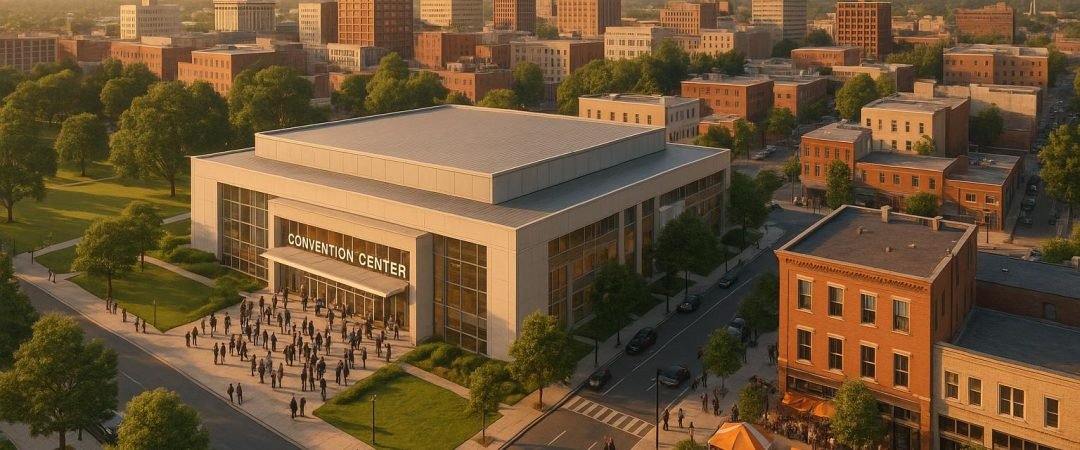
Secondary cities are increasingly becoming the go-to choice for MICE (Meetings, Incentives, Conferences, and Exhibitions) events. Why? They offer lower costs, more venue availability, and unique experiences compared to larger metropolitan areas. Cities like Louisville, Richmond, and Oklahoma City are investing in infrastructure, transportation, and partnerships to draw event planners. Here’s what makes them stand out:
- Affordability: Lower hotel rates, venue costs, and tax incentives make budgets stretch further.
- Venue Availability: Less competition for spaces means easier scheduling.
- Local Experiences: Attendees enjoy region-specific attractions, dining, and activities.
- Improved Accessibility: Upgraded airports, walkable downtowns, and better transit reduce travel stress.
- Personalized Support: Collaboration with local businesses and tourism boards ensures smooth planning.
Secondary cities are proving they can deliver high-quality events without the high costs or logistical headaches of larger cities. As these destinations continue to grow, they’re reshaping the MICE industry with a focus on practicality and memorable attendee experiences.
Navigating The Global MICE Tourism Landscape:Trends, Challenges and Opportunities
Marketing Strategies Secondary Cities Use
Secondary cities have found creative ways to stand out against major metropolitan areas by highlighting their unique charm and appeal. By focusing on what sets them apart, these cities have developed marketing strategies that resonate with event planners. A key part of this approach is showcasing authentic local experiences that make their destinations memorable.
Branding and Destination Marketing
Convention and Visitors Bureaus (CVBs) in secondary cities craft their messaging around the distinctive personality of their locale. For example, Savannah emphasizes its Southern cooking classes and ghost tours, while Santa Fe draws attention to its margarita trail experience. These curated activities give event planners the chance to transform meetings into immersive cultural journeys.
To stand out, CVBs share compelling stories that spotlight local attractions, dining, and entertainment venues – experiences that are often hard to replicate in larger cities. Richmond Region Tourism, for instance, emphasizes its hands-on approach to service, reassuring clients:
"If you bring your group to Richmond, we’ve got a destination services team that works to make sure the community knows that you’re here"
Digital tools like geofencing also help secondary cities position themselves as attractive destinations. Cities like Louisville address potential concerns by showcasing infrastructure improvements and highlighting perks like walkable downtown areas and affordable, high-quality venues such as Churchill Downs.
Using Data and Case Studies to Build Trust
Beyond storytelling, secondary cities rely on data and case studies to back up their claims. Data-driven marketing helps underline their competitive advantages. Research indicates that these markets often outperform top-tier destinations. For instance, Richmond Region Tourism uses case studies to highlight key assets, such as the Hilton Richmond Downtown and nearby hotels that can host citywide conventions for 500–600 attendees.
A major draw for secondary cities is their ability to offer cost savings without compromising on quality. Cities like Pittsburgh and Madison deliver exceptional experiences at lower prices. This allows planners to allocate more budget toward enhancing programming and attendee engagement while still reducing overall costs. Many planners even report better service and greater value compared to first-tier cities.
Additionally, secondary cities tailor their marketing to appeal to specific industries. They attract sectors like tech startups, fashion brands, and creative agencies by offering fresh, authentic experiences. These can include innovative team-building activities, unique dining options, and meaningful local CSR opportunities.
To make planning even easier, tools like GroupMenus simplify the process of selecting restaurants. This platform provides detailed information about group dining options, including capacity, private rooms, and amenities. It’s a practical way to highlight the authentic culinary experiences that make secondary cities so enticing.
Incentives and Support for Event Planners
Secondary cities are becoming go-to destinations for MICE events, thanks to their tailored packages, lower costs, and collaborative support systems.
Incentive Programs and Cost Savings
Cities like Richmond and Columbus are stepping up by offering discounts, grants, and tax breaks that make hosting events more affordable. These incentives reduce hotel rates and venue rental fees, giving planners more room in their budgets to focus on event programming. For example, the Omni Oklahoma City Hotel provides state-of-the-art meeting spaces with customized packages – even during busy seasons.
Municipal subsidies and tax breaks add to the savings. Cities like Louisville and Richmond have embraced these measures, making them attractive options for planners. Research from Knowland highlights that secondary cities often deliver better value, with lower daily costs per attendee and excellent service to match.
But these cities don’t just stop at financial perks – they also excel in building strong local partnerships that make event planning easier.
Working with Local Stakeholders
What sets secondary cities apart is their collaborative approach. Unlike larger metropolitan areas, these cities foster close partnerships between convention and visitors bureaus, hotels, and local businesses to create a seamless planning experience. For example, Richmond Region Tourism collaborates with local hotels and restaurants to offer bundled deals and exclusive experiences tailored to event groups.
These partnerships deliver real value: hotels provide free shuttles, welcome receptions, and discounted room blocks, while venues offer personalized support tailored to each event’s needs. Local restaurants also get involved by offering customized dining experiences and logistical support. Tools like GroupMenus simplify the process by connecting planners with group-friendly dining options.
Destination services teams in these cities go above and beyond. They assist with transportation logistics, airport signage, and coordination with local businesses to ensure events run smoothly. Their services often include welcome programs, on-the-ground support, and help with permits, reducing the administrative workload for planners.
The success of these efforts can be summed up by the "5 A’s" framework: Availability, Affordability, Attention, Authenticity, and Accessibility. Together, these factors explain why secondary cities are increasingly favored as top spots for MICE events. By combining cost-saving incentives with robust local collaboration, these cities are carving out a strong position in the events industry.
sbb-itb-5436e91
Infrastructure and Accessibility Improvements
Secondary cities are stepping up their game by upgrading transportation systems and event venues, positioning themselves as strong alternatives to larger markets.
Improving Transportation and Connectivity
Airport expansions are a key focus for these cities, with projects like the $500 million improvement initiative at Louisville Muhammad Ali International Airport aiming to make travel easier for business professionals and event attendees. These upgrades emphasize the importance of modernizing transportation to attract more visitors.
Smaller airports in these cities offer a smoother travel experience by cutting down on time spent in security lines and navigating terminals. While connecting flights might be necessary, the overall process tends to be less stressful. On the ground, improvements in public transportation and walkable downtown areas make it easier for visitors to get around. Many secondary cities are designing their downtowns so that hotels, restaurants, and attractions are within walking distance, simplifying logistics that can often be a headache in bigger cities.
Location is another big advantage. Take Louisville, for example – its central position makes it highly accessible for attendees driving in from nearby regions, making it a great choice for regional corporate events. These transportation upgrades lay the groundwork for creating versatile and modern meeting spaces.
Building Modern Meeting Venues
With better connectivity in place, secondary cities are turning their attention to event spaces, ensuring they can compete with the big players. Many are now offering meeting venues equipped with cutting-edge technology and flexible capacities. A great example is the Omni Oklahoma City Hotel, which provides state-of-the-art facilities while remaining easy to access, even during busy periods. This kind of adaptability is particularly appealing when venues in larger cities are fully booked.
Secondary cities also offer a variety of venue options, from large convention centers to boutique hotels, often at more affordable rates than their metropolitan counterparts. These spaces come with modern amenities, allowing planners to deliver premium experiences without breaking the bank.
Unique venues add even more appeal. Churchill Downs in Louisville, for instance, stands out as an iconic yet cost-effective option for corporate events, showing how these cities can blend practicality with memorable settings. Beyond traditional spaces, some cities are redefining event hosting with innovative options like Autocamp locations near national parks or resorts like Cloudland at McLemore in Georgia, which offer corporate retreats with a local flair.
Dining is another area where secondary cities are stepping up. Many are creating group-friendly restaurants with private dining spaces, recognizing their importance for meetings and events. Tools like GroupMenus make it easy for planners to find restaurants that fit their needs, offering detailed information on capacity and amenities.
These continuous investments are helping secondary cities attract more events while justifying further development. Cities like Austin and Nashville are prime examples of how sustained efforts and strategic branding can transform overlooked areas into top-tier destinations for meetings and events.
Local Partnerships and Event Experiences
Beyond improved venues and cost-saving incentives, collaborations with local partners are transforming the way events are experienced. Secondary cities are stepping up by forming strategic partnerships that provide unique, memorable moments for MICE (Meetings, Incentives, Conferences, and Exhibitions) attendees. These partnerships – spanning local businesses, tourism boards, and specialized platforms – are reshaping how events are organized and executed in smaller markets.
Working with Local Businesses
One of the greatest strengths of secondary cities is their ability to create meaningful connections with local businesses, including restaurants, cultural hubs, and service providers. These partnerships consistently deliver genuine regional experiences that enhance MICE event packages.
For example, secondary cities often exhibit more flexibility than their larger metropolitan counterparts. Take Louisville’s collaboration with Churchill Downs. By incorporating this iconic local attraction into private events, the city not only adds exclusive value for attendees but also boosts its reputation and supports the local economy. Local service providers play a key role too, from transportation companies ensuring smooth venue connectivity to entertainment and team-building experts offering tailored programs. These personalized services significantly enhance attendee satisfaction.
Such strong local alliances also pave the way for innovative planning tools that simplify the event organization process.
How GroupMenus Simplifies Event Planning
In addition to these partnerships, tools like GroupMenus are making event planning more efficient. GroupMenus offers a detailed database of group-friendly restaurants, complete with information on capacity, private dining options, and amenities. This allows planners to quickly narrow down choices and directly contact venues through booking emails.
By filtering venues based on group size and specific needs, planners can save time and establish direct communication with restaurants. This streamlined approach not only encourages personalized service but also helps restaurants accommodate special requests, fostering stronger local connections that contribute to event success.
GroupMenus also works hand-in-hand with local tourism boards and convention bureaus by providing up-to-date information on dining options – a critical element of many MICE events. With over 200 restaurants already leveraging the platform for direct bookings, GroupMenus is building a reliable network that supports event planners in delivering authentic experiences while helping restaurants attract group business.
Conclusion: Sustaining Growth in Secondary City MICE Markets
Secondary cities are becoming increasingly influential in shaping how event planners choose destinations. These cities have demonstrated their ability to deliver what many larger metropolitan areas cannot: a mix of strategic investments, unique local experiences, and strong community partnerships. These factors give them a competitive edge in the Meetings, Incentives, Conferences, and Exhibitions (MICE) market.
Key Takeaways for Planners and Cities
Secondary cities excel by offering a combination of Availability, Attention, Affordability, Authenticity, and Accessibility. With lower costs for hotels, venues, and catering, these destinations allow planners to host high-quality events without breaking the bank. Plus, their modern facilities are often available even during peak seasons, making them reliable options for event scheduling.
What truly sets these cities apart is their ability to offer unique, memorable experiences. For example, Savannah draws visitors with Southern cooking classes and eerie ghost tours, while Santa Fe’s margarita trail showcases its distinctive culinary scene. These local touches not only enhance the attendee experience but also help differentiate these destinations from their larger counterparts. Additionally, platforms like GroupMenus streamline event planning by connecting organizers with group-friendly dining options, ensuring smoother logistics.
While these strengths highlight the current appeal of secondary cities, the future holds even greater potential for growth.
Future Trends in Secondary City MICE Growth
Infrastructure development will play a critical role in the continued rise of secondary cities. Investments in improved transportation networks, state-of-the-art meeting venues, and advanced digital tools will be essential to support hybrid and tech-enabled events. At the same time, planners are increasingly prioritizing sustainability and local partnerships, aligning with corporate social responsibility goals and further enhancing the appeal of these destinations.
Digital marketing and data-driven strategies are also reshaping how secondary cities attract business. By leveraging analytics, geofencing, and targeted campaigns, these cities can position themselves in front of planners at key decision-making moments. This approach not only increases visibility but also strengthens their ability to compete with larger markets.
As more MICE events are hosted in secondary cities, a positive feedback loop is emerging: higher demand leads to greater investment, which in turn attracts even more business. The road ahead will require a focus on agile infrastructure improvements, smart marketing strategies, and meaningful local collaborations to sustain this momentum and unlock new opportunities in the MICE industry.
FAQs
How do secondary cities attract MICE events and stand out as destinations?
Secondary cities employ a blend of focused marketing, incentives, and collaborations to stand out as attractive MICE (Meetings, Incentives, Conferences, and Exhibitions) destinations. They emphasize perks like unique local experiences, lower costs, and easy accessibility to set themselves apart from larger, more traditional hubs.
To sweeten the deal, many of these cities team up with local businesses – hotels, restaurants, and event spaces – to create custom packages or offer discounts designed specifically for event planners. Tools like GroupMenus make the process even smoother by helping planners find group-friendly dining options, simplifying logistics for attendees. Together, these strategies position secondary cities as strong contenders for hosting unforgettable events.
How do secondary cities make it easier for attendees to travel to and navigate MICE events?
Secondary cities go the extra mile to make events accessible and hassle-free for MICE attendees. One key approach is improving transportation. Many cities provide shuttle services connecting airports, hotels, and event venues, making it easier for visitors to get around. Some even partner with airlines to offer discounted fares, adding another layer of convenience. On top of that, investments in infrastructure – like efficient public transit systems and clear, easy-to-follow signage – help attendees navigate the city without stress.
To create a warm and welcoming atmosphere, these cities often team up with local businesses and tourism boards. Attendees might receive city guides, maps, or mobile apps packed with details about nearby attractions, restaurants, and other amenities. Tools like GroupMenus are a game-changer for event planners, offering comprehensive listings of group-friendly dining spots, so attendees can enjoy meals that fit their preferences without any fuss.
How do local partnerships help secondary cities stand out as MICE destinations?
Local partnerships are key to making secondary cities stand out as destinations for MICE (Meetings, Incentives, Conferences, and Exhibitions) events. By teaming up with local businesses, tourism boards, and community groups, cities can offer experiences that feel tailored to the unique needs of event planners. Imagine seamless collaborations with hotels, transportation services, and local attractions – these partnerships can simplify logistics while delivering a more enjoyable experience for attendees.
Take dining, for example. Partnering with group-friendly restaurants or platforms like GroupMenus can make organizing meals for large groups a breeze. These efforts highlight the city’s hospitality and give planners easy, well-coordinated options for their events. Altogether, these collaborations allow secondary cities to hold their own against larger destinations by offering personalized service and budget-friendly packages.


